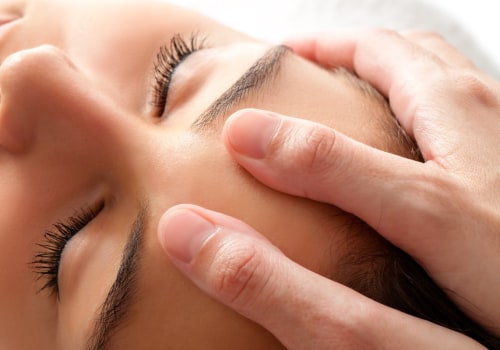
Osteopathy is a healthcare approach that places emphasis on the relationship between the body's structure and function. Osteopathic physicians are fully trained medical doctors who can diagnose conditions, prescribe medications, perform procedures, and provide other forms of medical care, depending on their qualifications and practice setting. Osteopathic care may also emphasize the musculoskeletal system and how movement, posture, and physical function relate to overall health. Because osteopathy encompasses different practices and professional roles in different countries, patients should understand the credentials and scope of practice of the provider they are considering. The broader goal of personalized care is to evaluate each patient as an individual rather than relying on a one-size-fits-all approach.
Taking a Personalized View of Health
Personalized patient care begins with understanding a person's medical history, symptoms, lifestyle, health goals, and individual circumstances. Two people with similar symptoms may have different underlying causes or require different treatment strategies. An osteopathic physician may consider information from physical examinations, medical history, diagnostic testing, and lifestyle factors when developing a care plan. Depending on the patient's needs, treatment may involve conventional medical interventions, preventive care, physical activity recommendations, or approaches addressing musculoskeletal function. Patients should feel comfortable asking questions and discussing their goals so their healthcare providers can make informed recommendations that reflect their specific needs.
Supporting Movement and Physical Function
The musculoskeletal system plays an important role in mobility and everyday independence. Problems involving muscles, joints, posture, or movement can sometimes affect how comfortably a person works, exercises, sleeps, or performs household activities. Osteopathic care may incorporate attention to movement and physical function as part of a broader medical assessment. Appropriate exercises, activity modifications, rehabilitation, or other interventions may be recommended depending on the underlying condition. Maintaining mobility can also support confidence and participation in meaningful activities. However, treatment should always be based on an appropriate professional assessment, especially when symptoms are severe, persistent, or associated with concerning changes in strength, sensation, or coordination.
Connecting Physical and Emotional Wellness
Personalized care can also recognize the connection between physical health and emotional well-being. Living with persistent discomfort, reduced mobility, or a chronic health concern may contribute to frustration, stress, sleep difficulties, or changes in mood. At the same time, emotional challenges can influence motivation and the ability to maintain healthy routines. A whole-person approach does not assume that physical symptoms are psychological; instead, it acknowledges that both physical and emotional needs deserve appropriate attention. Individuals experiencing ongoing anxiety, depression, or significant stress may benefit from professional psychological care alongside their medical treatment. Resources such as Cabot Psychological Services Minneapolis can provide support for individuals working through emotional concerns that may affect their overall quality of life.
Building Collaborative Care
Effective personalized healthcare often depends on communication between patients and their healthcare teams. Individuals can contribute by keeping medical information updated, explaining symptoms clearly, discussing medications and supplements, and communicating changes in their condition. When multiple healthcare professionals are involved, coordination can help ensure that treatments work together appropriately. Patients can also ask about the purpose, benefits, risks, and alternatives associated with recommended interventions. This collaborative process helps individuals become active participants in their healthcare rather than passive recipients of treatment.
Supporting Long-Term Quality of Life
Osteopathy can fit into personalized healthcare by contributing a broader perspective on medical needs, physical function, and individual goals. The most appropriate care plan will vary depending on the patient's condition and circumstances, and osteopathic care should be integrated with other evidence-based services when necessary. Preventive examinations, healthy nutrition, regular movement, adequate sleep, stress management, and emotional support can all contribute to long-term wellness. Ultimately, personalized patient care is about understanding the whole individual and creating strategies that support meaningful health goals. By combining appropriate medical evaluation with attention to mobility, lifestyle, emotional wellness, and patient preferences, healthcare providers can help individuals pursue greater function, resilience, independence, and quality of life.